
The Effectiveness of Electronic Cigarettes in Quitting Smoking in the Kingdom of Saudi Arabia (KSA).
The Effectiveness of Electronic Cigarettes in Quitting Smoking in the Kingdom of Saudi Arabia (KSA).
Lama Abdulaah Almutiri1, Manifah Saud Alrashidi2, Raghad Ali Alaamri3, Raghad Khalid Alshmmari4, Salam Saeed Almatrood5, Hussam Mohammed Seedahmed6*, Saqlain Raza Hussain7, Bashar I. Alzghoul8
Correspondence to: Hussam Mohammed Seedahmed, SA.
Copyright
© 2025 Hussam Mohammed Seedahmed. This is an open access article distributed under the Creative Commons Attribution License, which permits unrestricted use, distribution, and reproduction in any medium, provided the original work is properly cited.
Received: 18 Sep 2025
Published: 01 Oct 2025
Abstract
Background: Electronic cigarettes were popular in Saudi Arabia for a number of reasons, including quitting smoking. Its efficacy is still unknown, though. Using varying dosages and flavors, this study evaluated whether they aid in smoking cessation in a different way than other strategies.
Methods: This is a descriptive cross-sectional study, and a survey was administered to people who have used e-cigarettes and traditional cigarettes. The research focused on current and ex-smokers in Saudi Arabia. Nonsmokers and occasional smokers were omitted from the study since they did not represent the demographic of interest.
Results: Total feedbacks were 700. However, only 362 of the participants finished the survey. The findings show a significant difference in stopping regular cigarettes across subjects who smoked for varying lengths of time (p-value = 0.004). Those who had smoked for less than a year were more likely to quit. Participants who used electronic cigarettes with low nicotine concentration had a statistically significant tendency to use them five or more times per day (OR = 1.56, 95% CI:1.08-2.27, p=0.066). Participants who used a variety of flavors, particularly fruit flavors, had a significantly increased chance of quitting both traditional cigarettes and electronic cigarettes (OR = 1.24, 95% CI:1.00-1.54, p = 0.043).
Furthermore, 53% of individuals stopped smoking cigarettes after using an electronic cigarette.
Conclusion: A significant number of people have had to start the use of e cigarettes especially as a way of quitting to smoking. The efficacy of electronic cigarettes appears to vary based on the flavors and nicotine concentrations. As a result, people who tried different fruit flavors were more likely to succeed in stopping smoking using electronic cigarettes. In contrast, people who utilized low nicotine doses were less likely to quit smoking.
Keywords
Electronic cigarettes (EC); Nicotine replacement therapy; Nicotine concentrations; Regular cigarette; Smoking cessation; Assortments of flavor
The Effectiveness of Electronic Cigarettes in Quitting Smoking in the Kingdom of Saudi Arabia (KSA).
Introduction
Tobacco smoking is a chronic illness caused by inhaling burning tobacco. premature mortality and disability as a result may occur globally (Yang et al., 2022). However, according to the World Health Organization (WHO), one billion people smoked tobacco in 2020, accounting for some 22.3% of the global population (Sinha & Haider, 2024). In addition, men were more likely to smoke than women; 36.7 percent of all men were smokers, compared with 7.8 percent of all women (Kumari et al., 2024). Unfortunately, annually 8 million people die because of using tobacco (Burki, 2021). In Saudi Arabia, smoking kills almost 5,000 people a year, or 71 men and 21 women each week. Various major disease states were attributing to smoking including lung cancer and cardiovascular disease (Thandra et al., 2021). There has also been the observation that it causes poor physical activity and mental changes leading to anxiety or sadness (Firth et al., 2020). Passive smoking is a practice that the smoker puts others at risk of health dangers by inhaling in a smoking environment (Juraybi et al., 2021). While smoking is frequently considered the foremost preventable cause of illness, kicking the habit is exceptionally difficult because addictive substances were used for the purpose (Chapman, 2022). As a result, nicotine withdrawal syndrome may develop as a quitting side effect (Klemperer et al., 2021). The condition is distinguished by symptoms such as anxiety, despair, mood frustration, and wrath.
Nicotine replacement therapy (NRT) is the most common treatment for smoking cessation (Haokip et al., 2021). It is usually combined with behavioral therapy and emotional support, which were two other major treatments for smoking cessation (Rigotti et al., 2022). The Food and Drug Administration (FDA) has approved nicotine gum, inhalers, nasal spray, or patches as medications to help people quit smoking (DiSilvio et al., 2021). In addition to that, clonidine and nortriptyline can also be used as medications to aid in quitting smoking (Patel et al., 2023). There were many clinical guidelines recommend using NRT as a first line treatment to help decrease the motivation to smoke and withdrawal symptoms that happen during attempts at quitting smoking (Giulietti et al., 2020). In the last two decades, the reports showed a significant increase in e-cigarette use especially by adolescents as alternative to conventional cigarettes in the world (Althobaiti & Mahfouz, 2022). They were created in the early 2000s, but were not widely pushed until a few years ago (Marques et al., 2021). In Saudi Arabia, a research found that 26.3% of participants had tried e-cigarettes at least once. Furthermore, e-cigarette users were more likely to smoke tobacco (p-value = 0.002). Males smoked more e-cigarettes than females (p value < 0.001), had greater educational levels (p value < 0.001), and were aged 18-24 years old(Althobaiti & Mahfouz, 2022).
Electronic cigarettes were small devices powered by battery, and people referred to this usage as vaping (Wylie et al., 2021). These devices can heat a liquid solution to generate an inhalable mist within minutes (Choi et al., 2021). Electronic cigarettes were composed of nicotine, water, flavoring, glycerin and propylene glycol (Li et al., 2020). In use, the liquid is sprayed into an aerosol (sometimes referred to as vapor), injected, heated by the injector and activates a pressure sensitive switch on breathing (Mallock, 2022). Some e-cigarettes have a button that the user can press to manually heat; these also have a danger that if the button was pressed in a way that is not intended (due to a mistake or disturbance) then the device can heat successfully (Hampsher-Monk et al., 2024). Nicotine cartridges for e-cigarettes generally contain less of the harmful chemicals such as tar and carbon monoxide (CO) than does traditional cigarettes (Son et al., 2020). Electronic cigarette products contain a key component of nicotine (Gholap et al., 2020). Nicotine addiction is the result of nicotine allowing pleasure-producing chemicals to remain in the brains of users for as long as they were present (Gholap et al., 2020). Because of this addiction, the body displays both psychological and physical symptoms of nicotine withdrawal when it stops getting nicotine (Le Foll et al., 2022). The more you become addicted, the more severe will be the withdrawal symptoms (Le Foll et al., 2022). Also, the symptoms of withdrawal when stopping from smoking electronic cigarettes were not as severe as if you were surrendering a daily cigarette (Palmer et al., 2022; Ponzoni et al., 2020). Nonetheless, there were numerous grounds to think that the variety of tastes and nicotine levels in the e-liquid used in electronic cigarettes significantly influenced the user's ability to stop smoking.
Smoking remains prevalent when treatments were available in forms such as behavioral therapy, and nicotine replacement (Patel et al., 2021; Rigotti et al., 2022). Besides, using electronic cigarettes or vaping has become one of the newer challenges especially among the youth (Trucco et al., 2020). As a relatively recent phenomenon, there were only limited ideas of what related health effects vaping might eventually have (Snoderly et al., 2021). Different fragrances, concentrations, sizes, and intensities of nicotine cartridges to produce the best feeling for the consumer, and the chance to regulate the length of an inhale by the time the button at the top of the gadget is pressed down on, all contributed to the popularity of the use of e-cigarettes (Sapru et al., 2020). Despite this, the matter is one of debate, and the research will have value. It might be beneficial.
1.1 Aims and Objectives of the Study
In this study, we aim to determine the effectiveness of electronic cigarettes in the smoking cessation in the Kingdom of Saudi Arabia. In addition, we aim to determine whether nicotine concentrations and flavors in electronic cigarettes help in quitting smoking and evaluate whether electronic cigarettes were more effective than nicotine replacement therapy.
2. Methodology
A cross sectional survey design was utilized in this study to investigate the effectiveness of e – cigarettes in smoking cessation in the Kingdom of Saudi Arabia. This approach we chose because it would allow us to collect data from a large and diverse sample at a single point in time and run a comprehensive analysis of the relationship between e-cigarette use and smoking cessation. The primary research question guiding this study was: Does the use of e-cigarettes influence smoking cessation?
2.1 Sample Collection
Current and former KSA residents who have used e-cigarettes were the study's target demographic. Because they had no bearing on the research issue, nonsmokers and occasional smokers were not included in the study. A 95% confidence level and a 5% margin of error were used to get a sample size of 362. Participants were gathered using a convenience sample technique on social media sites including WhatsApp, Twitter, and Telegram. The response rate was 100%; 362 replies (excluding missing values) were received within the six weeks between 25 February 2023 and 8 April 2023.
2.2 Collection of Data
A 32 questions, self-administered, online survey was the data gathering instrument used. The poll was broken up into three types of stimulus: one for regular cigarette (RC) users, one for EC users, and one for demographic information. The questionnaire was made after subject matter experts and literature reviewed. Validity, reliability, and clarity of the questionnaire were assessed by a small group of 60 people in a pilot study. Reliability analysis was judged sufficient enough with a Cronbach’s alpha of 0.92 and validated the study’s dependability. The questionnaire was revised and improved based on the input from the pilot test before going live online. The questionnaire was sent with a cover letter to alert participants that the study would include these things. In addition, they were assured that their data would be used only for research and assured that they would not be identified in the data. They agreed to take part in the research by filling out and sending in the questionnaire.
2.3 Analysis of Data
The data collected from the questionnaire was analyzed using SPSS software version 26. Characteristics of the sample and their response to the questions were summarized using descriptive statistics such as frequencies and percentage. Associations and differences between these variables were tested using inferential statistics (e.g. chi-square tests and multinomial logistic regression analysis) to see if figures predicted e-cigarette use behavior and interest in smoking cessation.
2.4 Ethical considerations
The Institutional Review Board (IRB) of Imam Abdul-Rahman bin Faisal University approved this study protocol (registration number IRB-UGS-2023-03-072) and the study was conducted in accordance with the ethics standards of it. Before starting the study, the participants know their rights and obligations as a research subject. Moreover, they had the impunity to terminate the research at any time without penalty.
3. Results
362 people in Saudi Arabia who were already or had previously smoked responded to an electronic poll. Regular cigarette (RC) smokers, EC users, and demographic data were the three categories into which the survey was separated. The participants' demographic profile is shown in Table 1, where the majority of respondents were between the ages of 18 and 30 (64.92%) and male (68.23%). Smoking electronic cigarettes was the most popular among the various smokers (30.66%), followed by smoking regular cigarettes only (27.22%), smoking regular cigarettes and electronic cigarettes (25.14%), and smoking both regular cigarettes and electronic cigarettes (16.57%) (Figure 1). The social influence of friends, family, or other co-workers was the essential reason for most of the participants (96.26%) started using e-cigarettes, while only three (1.15%) reported being influenced by marketing. The majority of participants (41.22%) used electronic cigarettes with an average nicotine content of 50 mg, and 69.43% of them preferred fruit flavors, according to our data. 186 consumers of electronic cigarettes also reported using them more than five times a day. While 18.58% of participants experienced coughing and dry mouth, 17.43% reported breathing difficulties, and 22.48% reported no symptoms, 56.11% of participants thought that smoking electronic cigarettes was safer than smoking traditional cigarettes. (Table 2)
Table 1. Demographic characteristics of participants and their daily smoking frequency.
|
N(%) |
|
|
Age: |
|
|
Less than 18 |
13(3.59%) |
|
18-30 year |
235(64.92%) |
|
31-40 year |
78(21.55%) |
|
41-50 year |
28(7.73%) |
|
51-60 year |
6(1.66%) |
|
Greater than 60 |
2(0.55%) |
|
Gender: |
|
|
Male |
247(68.23%) |
|
Female |
115(31.77%) |
|
Educational level: |
|
|
Middle school |
4(1.10%) |
|
Secondary school |
24(6.63%) |
|
University |
136(37.57%) |
|
Unemployed |
50(13.81%) |
|
Employee |
148(40.88%) |
|
Relevant who smokes: |
|
|
Family |
152 (29.86%) |
|
Friends |
211 (41.45%) |
|
Working place |
127 (24.95%) |
|
No one |
19(3.73%) |
|
Smoking frequency per day (Regular Cigarettes): |
|
|
Doesn’t use it |
178(62.46%) |
|
Once a day |
21(7.37%) |
|
Twice a day |
13(4.56%) |
|
Thrice a day |
9(3.16%) |
|
Four times a day |
9(3.16%) |
|
Five times or more a day |
55(19.3%) |
|
Smoking frequency per day (electronic cigarettes): |
|
|
Doesn’t use it |
20(7.04%) |
|
Once per day |
26(9.15%) |
|
Twice per day |
20(7.04%) |
|
Thrice per day |
16(5.63%) |
|
Four times per day |
16(5.63%) |
|
Five time or more per day |
186(65.49%) |
Table 2. Reasons for using electronic cigarettes, preferred nicotine concentrations, commonly used flavors, and reported symptoms experienced by participants.
|
Variable |
N(%) |
|
The reason of use EC: |
|
|
For Fun |
61(23.28%) |
|
New Experience |
56(21.37%) |
|
Due To Corona Pandemic |
9(3.44%) |
|
Smoking Quit. |
96(36.64%) |
|
Advertisement |
3(1.15%) |
|
Recommend By Family And Friends |
12(4.58%) |
|
Others |
25(9.54%) |
|
Nicotine concentration level: |
|
|
20mg |
49(18.70%) |
|
30mg |
64(24.43%) |
|
40mg |
13(4.96%) |
|
50mg |
108(41.22%) |
|
60mg |
12(4.58%) |
|
Others |
16(6.11%) |
|
Flavours used:
|
|
|
Fruit Flavours |
183(69.43%) |
|
Without flavours |
17(6.49%) |
|
Other Flavours |
62(24.08%) |
|
Symptoms of EC user: |
|
|
Depression |
34(7.80%) |
|
Lack of focus |
40(9.17%) |
|
Insomnia |
49(11.24%) |
|
Difficulty of Breathing |
76(17.43%) |
|
Irritation in the mouth and throat |
58(13.30%) |
|
Dry in mouth and cough |
81(18.58%) |
|
No symptoms |
98(22.48%) |
Figure 1: Show how the population in different smoker's states.
The percentage of habitual cigarette smokers who wish to stop smoking and the strategies they employed to do so were shown in Figure 2. According to the statistics, 69% of regular smokers tried to stop, with 20.73% using electronic cigarettes, 12.20% using pills, 15.85% using nicotine patches, and 9.76% depending on behavioral therapy.
Figure 2: Shows the rate of desire to quit and the methods they used to quit.
The percentage of e-cigarette users who tried to stop smoking and the strategies they employed were shown in Figure 3. 19.08% of e-cigarette users attempted to stop using them, according to the statistics; 10.94% used behavioral treatments, 18.75% used pills, 20.31% tried nicotine patches, and 35.94% relied on e-cigarettes. Just 14.06% of e-cigarette users made an effort to stop using them on their own.
Figure 3: Shows the rate of desire to quit and the methods they used to quit.
Two groups—those who smoked normal cigarettes and those who smoked electronic cigarettes—were used to test smoking cessation. Just 47.83% of habitual smokers who tried various smoking cessation techniques were able to stop. In contrast, 42.75% of smokers who tried several smoking cessation techniques and switched to electronic cigarettes were able to effectively stop smoking traditional cigarettes (Figure 4). Nevertheless, 10.31% of them were able to stop smoking both normal and electronic cigarettes, whereas 21.37% of them were unable to stop using the electronic cigarettes.
Figure 4: Shows the rate of desire and success rate to quit after using the electronic cigarette.
Chi-square test was used for the study as a means of determining the association between the number of years spent on smoking cigarettes and cessation. The findings show that participants who smoked for varying lengths of time had significantly varied rates of stopping regular cigarettes (p-value = 0.004). Compared to participants who smoked for more than ten years, those who smoked for less than a year had a higher chance of quitting. The relationship between nicotine dosage, a variety of tastes, and the frequency of daily e-cigarette usage was examined using a multiple multinomial logistic regression analysis. According to the findings, those who smoked low-nicotine electronic cigarettes had a higher likelihood of using them five or more times a day (OR = 1.56, 95% CI:1.08-2.27, p = 0.066).
Additionally, using e-cigarettes less than five times a day was statistically significant for participants who reported depression and breathing difficulties (OR = 0.09, 95% CI:0.16-0.48, p = 0.005) (OR = 0.04, 95% CI:0.00-0.74, p = 0.030), whereas using e-cigarettes five or more times a day was statistically significant for participants who reported insomnia (OR = 18.00, 95% CI: 2.14-150.88, p = 0.008). Furthermore, the relationship between symptoms and the amount of nicotine in e-cigarettes was investigated. Participants who reported being distracted while using electronic cigarettes with a nicotine concentration of 30 mg were statistically significantly less likely to use nicotine (OR=0.20, 95% CI:0.04-0.92, p=0.039) than those who used electronic cigarettes with other nicotine concentrations, according to the data.
The relationship between the variety of flavors and the types of cigarettes (regular, electronic, regular and then switched to electronic, and both regular and electronic cigarettes used simultaneously) as well as other variables like age, gender, region, education level, smoker status, and the method they used to start quitting regular cigarettes (either e-cigarettes or nicotine replacement therapy) was also investigated. According to the findings, those who used a variety of flavors—especially fruit flavors—were statistically significantly more likely to stop smoking regular cigarettes and to stop smoking both regular and electronic cigarettes (OR = 1.24, 95% CI: 1.00-1.54, p = 0.043).
4. Discussion
This paper presents the results of a cross-sectional study that looked at how well electronic cigarettes (EC) work to help people quit smoking. To the best of our knowledge, this is the first study to look into using electronic cigarettes (EC) as a cessation therapy in the Kingdom of Saudi Arabia. Our goal was to quantify the relationship between different nicotine doses, flavor selection, and smoking cessation success. Furthermore, we contrast nicotine replacement treatment (NRT) and electronic cigarettes (EC) in terms of smoking cessation. While smoking cessation is still an international concern, which is unlikely to be solved, smokers have used many tactics (Giulietti et al., 2020; Rosen et al., 2021). Most of the participants were able to successfully abstain from smoking without any assistance and used their determination and personal enthusiasm. Instead of those who regularly smoke, 69% have tried to quit using some form of cessation; a small percentage have tried behavioral therapies, 12.20% have taken pills, 15.85% have tried patches, and 20.73% have used EC. Of these, just 47.83% were able to successfully stop smoking. In contrast to those who smoke traditional cigarettes, we discovered that only 19% of e-cigarette users expressed a wish to stop smoking themselves, indicating that they were not very driven to do so. Interestingly, the majority of people who said they wanted to stop were not utilizing nicotine replacement treatment, but rather e-cigarettes as a quitting aid. It's interesting to note that more than 50% of participants said they thought e-cigarettes were safer than traditional cigarettes. Furthermore, just 10% of study participants were able to successfully stop using e-cigarettes. As a result, the user's motivation is a major factor in the success rate of quitting.
E-cigarettes were used as one of these smoking cessation aids among teenagers and young people (Zhang et al., 2021). Among regular smokers, 35.94% used electronic cigarettes to quit. In addition, more than half (56.11%) of e-cigarette users felt that e-cigarettes lacked traditional cigarettes in safety, therefore opting to use them rather than traditional cigarettes and ultimately weaning themselves off of the former. Electronic cigarettes were safer than regular cigarettes, the participants claimed, because you can adjust the nicotine content in it according to smoker’s preference, the smell is pleasant, and they help reducing symptoms especially in relieving the breathing difficulties resulting from regular cigarettes (Talhout & Leventhal, 2024). Electronic cigarettes can help people quit smoking, particularly when used in combination with other methods (Grabovac et al., 2021; Walker et al., 2020), because only 139 of 262 participants were able to successfully stop smoking with EC. It is important to remember that NRT, or nicotine replacement treatment, has also been shown to help people stop smoking.
However, its effectiveness is restricted when purchased over-the-counter (Glantz, 2022; O’Connell & Kephart, 2022). Its effectiveness appears to be reliant on marketing making sure smokers utilize the product enough and put out enough effort to stop (Ashley et al., 2020; Suttiratana et al., 2023). Because electronic cigarettes were more effective than nicotine replacement therapy (NRT) at giving smokers what they want, using them appears to take less work (Jones et al., 2022). Our findings were consistent with those of other investigations. In addition to being more affordable than traditional cigarettes, electronic cigarettes (EC) were also more pleasant and convenient to use in public settings (Pauwels et al., 2023). Furthermore, people use electronic cigarettes (EC) because they believe it is relatively easy to conceal them from their parents or teachers (Wagoner et al., 2021). Furthermore, the study also reveals that one key component that has a big effect on the rate of success of a person in quitting smoking is a number of years spent smoking regular cigarettes (RCs). In particular, those who reported smoking for less than a year stopped smoking more successfully than those who had smoked for one to ten years or more. A number of factors related to smoking duration affect the success of stopping. For example, smokers who smoke fewer than one pack a day were more likely to stop than those who smoke more than one pack (Blackwell et al., 2020; Pleasants et al., 2020). Nicotine dependence also plays an important part in quitting another element. Even more importantly, individuals who have smoked more than 10 years tend to find it hard to quit once they start because that regular cigarette (RC) is part of the routine and habit (Marathia et al.).
Electronic cigarettes (EC) have gained an increasing popularity with adults in Saudi Arabia aged 18 to 30, there were several reasons for this popularity (Almugti & Alzahrani, 2024; Doumi et al., 2023). Electronic cigarettes (EC) provide a wide variety of flavors and nicotine levels which were one of the main causes. Our research shows that users prefer fruit flavors, which can have a large effect on whether or not they will completely abandon traditional cigarettes and move to electronic cigarettes (EC) (Gades et al., 2022). But, depending on what happened, we also predicted that the usage of EC would vanish so quickly, that the user would have a very high probability of quitting EC. However, neither traditional nor electronic cigarettes (EC) showed a direct association between fruit flavors and quitting smoking. Smokers' methods of quitting regular cigarettes (RC) by using electronic cigarettes (EC) or nicotine replacement therapy (NRT) were found to be influenced by a number of other characteristics, including age, gender, area, and educational attainment (Chan et al., 2021). As a result, we could not investigate casual relationships but only associations. There were multiple reasons why tastes of electronic cigarettes (EC) could influence the bloodstream's absorption of nicotine and help people stop smoking (Tsai et al., 2020). Thus more study is needed to fully understand the mechanics that correlate with how flavor impacts the desire to quit smoking. Butler conducted a randomized controlled trial (RCT), which reported similar effects of fruit flavors, such as cherries, on nicotine uptake compared to normal cigarettes (Butler et al., 2022). Moreover, the study found that most users smoked EC with an average nicotine dose of 50 mg. Additionally, the supply of large variety of flavors and nicotine doses of EC influence the frequency of their use each day (Patten & De Biasi, 2020). Low nicotine concentrations resulted in negative impacts to smoking cessation by cigarette. Now, it’s interesting to note that some people actually said they chose nicotine doses by looking at how the flavors tasted.
Most people preferred flavor over nicotine dose because low concentrations allowed them to appreciate the flavor more. Those who smoked electronic cigarettes (EC) and used nicotine doses of 12 mg/ml reported fewer cravings than those who used 6 mg/ml, according to similar findings in other research. This could be the reason why people who smoke electronic cigarettes with lower nicotine concentrations smoke more often during the day (Hajek et al., 2020). The majority of our subjects (22.48%) reported no symptoms at all while using EC. However, the following risks were associated with the use of electronic cigarettes (EC) in smoking cessation therapy (Levett et al., 2023). The association between depression and electronic cigarettes (EC) was evaluated in a prior study. It was found out in the study that people who use ECs were more likely to be depressed than people who do not smoke. Participants in our study who reported having depression were more likely to smoke EC fewer than five times a day. Although the exact cause of depression is still unknown, we hypothesized that chronic smoking would alter monoamine function and result in depressive symptoms. The study also revealed that depressed symptoms predicted a higher vaping frequency
According to reports, several individuals had trouble breathing; these smokers smoked more than five times a day. A prior study discovered that, when compared to other symptoms, breathing difficulties were the most common. Electronic cigarettes (EC) may promote inflammation in the respiratory system, making breathing more difficult, according to another study that explained the occurrence of this respiratory ailment. However, we discovered that those who reported having insomnia were more likely to smoke EC five or more times a day. Since insomnia is a typical withdrawal symptom, the more cigarettes smoked, the lower the chance of developing insomnia. Similar findings have been reported by other studies. Other studies have found similar results, have measured the relationship between electronic cigarettes (EC) and sleep problems among college students. Bret found out that students who smoke either normal cigarettes or EC have poor sleep quality than the students that do not smoke (Brett et al., 2020). Instead, when comparing the two groups, consumers of electronic cigarettes (ECs) were seen to use sleep aids more than the other group(Brett et al., 2020). Since EC are probably more convenient to use on campus than the traditional ones, the latter’s usage might be more frequent (Brett et al., 2020). Also, participants that consumed nicotine concentration of 30 mg, felt that they often got distracted. Compared to people who take other concentrations, they are in a position to use less nicotine. A study by Xie, stated that early exposure to nicotine leads to changes in the brain structure of a young individual and consequently acquires low intelligence over his or her lifetime (Xie et al., 2020). Since the brain is still developing there are substances such as nicotine that can pose severe consequences to the developing brain (Costas-Ferreira & Faro, 2021). These findings call for cautious alarm over specific risks of e-cigarette usage among students: dependence on higher nicotine titers, sleep quality, and cognition. These problems can be worsened by accessibility and usage hence the need for awareness and preventions as being highlighted. Prescribing for the wellbeing of youths’ psychological and physiological aspects, effects of nicotine ingestion during early childhood have to be considered.
Limitations:
We recognize the limitations of our investigation. The legitimacy of responses is unclear when using an online survey, and the data collection period was brief. Additionally, the authors self-reported the survey that was employed in this investigation. The supported results were limited since there were few research measuring the impact of electronic cigarettes (EC) on stopping smoking.
Recommendations for future research:
Recently, electronic cigarettes (EC) have been widely used in the whole world, including the Kingdom of Saudi Arabia. Therefore, the primary purpose of the research will be to look at the effectiveness of ECs as a sole aid to smoking cessation. However, a uniform policy for use of the said article, namely the electronic cigarettes (EC) when treating patients with the intent of quitting smoking should be adopted in addition to further clinical studies. In addition, we suggest that the impact of extended utilization of ECs should also be looked into with regard to its health risks.
5. Conclusion
ECs have recently been widely adopted by the adult population in Saudi Arabia and are practiced for smoking cessation. Several participants divulged that they started using ECs for the purpose of quitting traditional smoking alone. Lack of support toward this end is contingent on several factors associated with the electronic cigarettes for instance setting assortment of flavors and concentrations of nicotine. This study shows that participants with various flavors including fruit flavors show increased quit ratios, which may be as a result of the improved sensory reward by different flavors. Participants who chose lower nicotine levels were discovered have lower probability of quitting because probably, their body was not provided with enough nicotine to counter the effects of withdrawal. These results imply that such EC product personalization for flavor and nicotine quantity is critically important for smoking cessation initiatives.
References
1. Almugti, H. S., & Alzahrani, N. A. (2024). Perceptions Regarding the Use of E-cigarettes Among Smokers in Saudi Arabia. Cureus, 16(9), e70393.
2. Althobaiti, N. K., & Mahfouz, M. E. M. (2022). Prevalence of electronic cigarette use in Saudi Arabia. Cureus, 14(6).
3. Ashley, D. L., Spears, C. A., Weaver, S. R., Huang, J., & Eriksen, M. P. (2020). E-cigarettes: How can they help smokers quit without addicting a new generation? Preventive Medicine, 140, 106145.
4. Blackwell, A. K., Lee, I., Scollo, M., Wakefield, M., Munafò, M. R., & Marteau, T. M. (2020). Should cigarette pack sizes be capped? Addiction, 115(5), 802-809.
5. Brett, E. I., Miller, M. B., Leavens, E. L., Lopez, S. V., Wagener, T. L., & Leffingwell, T. R. (2020). Electronic cigarette use and sleep health in young adults. Journal of sleep research, 29(3), e12902.
6. Burki, T. K. (2021). WHO releases latest report on the global tobacco epidemic. The Lancet Oncology, 22(9), 1217.
7. Butler, A. R., Lindson, N., Fanshawe, T. R., Theodoulou, A., Begh, R., Hajek, P., McRobbie, H., Bullen, C., Notley, C., & Rigotti, N. A. (2022). Longer-term use of electronic cigarettes when provided as a stop smoking aid: Systematic review with meta-analyses. Preventive Medicine, 165, 107182.
8. Chan, G. C., Stjepanovi?, D., Lim, C., Sun, T., Anandan, A. S., Connor, J. P., Gartner, C., Hall, W. D., & Leung, J. (2021). A systematic review of randomized controlled trials and network meta-analysis of e-cigarettes for smoking cessation. Addictive Behaviors, 119, 106912.
9. Chapman, S. (2022). Quit smoking weapons of mass distraction. Sydney University Press.
10. Choi, H., Lin, Y., Race, E., & Macmurdo, M. G. (2021). Electronic cigarettes and alternative methods of vaping. Annals of the American Thoracic Society, 18(2), 191-199.
11. Costas-Ferreira, C., & Faro, L. R. (2021). Neurotoxic effects of neonicotinoids on mammals: what is there beyond the activation of nicotinic acetylcholine receptors?—A systematic review. International Journal of Molecular Sciences, 22(16), 8413.
12. DiSilvio, B., Baqdunes, M., Alhajhusain, A., & Cheema, T. (2021). Smoking addiction and strategies for cessation. Critical Care Nursing Quarterly, 44(1), 33-48.
13. Doumi, R., Khaytan, S., Alobaidan, A. S., Alqahtany, B. M., Aldosari, N. M., Almutairi, A. A., Alanazi, A. A., & Fayed, A. (2023). Knowledge, Attitude, and Practice of E-Cigarettes of Adolescents and Adults in Saudi Arabia: A Cross-Sectional Study. Healthcare,
14. Firth, J., Solmi, M., Wootton, R. E., Vancampfort, D., Schuch, F. B., Hoare, E., Gilbody, S., Torous, J., Teasdale, S. B., & Jackson, S. E. (2020). A meta?review of “lifestyle psychiatry”: the role of exercise, smoking, diet and sleep in the prevention and treatment of mental disorders. World Psychiatry, 19(3), 360-380.
15. Gades, M. S., Alcheva, A., Riegelman, A. L., & Hatsukami, D. K. (2022). The role of nicotine and flavor in the abuse potential and appeal of electronic cigarettes for adult current and former cigarette and electronic cigarette users: a systematic review. Nicotine and Tobacco Research, 24(9), 1332-1343.
16. Gholap, V. V., Kosmider, L., Golshahi, L., & Halquist, M. S. (2020). Nicotine forms: why and how do they matter in nicotine delivery from electronic cigarettes? Expert opinion on drug delivery, 17(12), 1727-1736.
17. Giulietti, F., Filipponi, A., Rosettani, G., Giordano, P., Iacoacci, C., Spannella, F., & Sarzani, R. (2020). Pharmacological approach to smoking cessation: an updated review for daily clinical practice. High Blood Pressure & Cardiovascular Prevention, 27(5), 349-362.
18. Glantz, S. A. (2022). Appropriate policy implications of the fact that high content and flavored e-cigarettes have higher abuse liability. Nicotine and Tobacco Research, 24(9), 1513-1514.
19. Grabovac, I., Oberndorfer, M., Fischer, J., Wiesinger, W., Haider, S., & Dorner, T. E. (2021). Effectiveness of electronic cigarettes in smoking cessation: a systematic review and meta-analysis. Nicotine and Tobacco Research, 23(4), 625-634.
20. Hajek, P., Pittaccio, K., Pesola, F., Myers Smith, K., Phillips?Waller, A., & Przulj, D. (2020). Nicotine delivery and users’ reactions to Juul compared with cigarettes and other e?cigarette products. Addiction, 115(6), 1141-1148.
21. Hampsher-Monk, S. C., Prieger, J. E., & Patwardhan, S. (2024). E-cigarette Regulations and Why They Fail. In Tobacco Regulation, Economics, and Public Health, Volume III: Clearing the Air on E-Cigarettes and Harm Reduction (pp. 1-130). Springer.
22. Haokip, H. R., Kumar, R., Rawat, V. S., & Sharma, S. K. (2021). Efficacy of standard nicotine replacement therapy (NRT) versus video-assisted nurse-led NRT on tobacco cessation: A randomized controlled pilot trial. Clinical Epidemiology and Global Health, 9, 141-146.
23. Jones, G., McIntosh, E., Brose, L. S., & Klonizakis, M. (2022). Participant experiences of a quit smoking attempt through either Nicotine Replacement Therapy (NRT) methods or the use of an e-cigarette. Journal of Addiction Medicine, 16(3), 272-277.
24. Juraybi, A., Arishy, A., Qussairy, E., Majrashi, E., Alfaifi, K., Al-Musalam, J., Dyab, O. A., & Yassin, A. (2021). Awareness about passive smoking among Jazan University students, Saudi Arabia. Medical Science, 25(110), 973-984.
25. Klemperer, E. M., Hughes, J. R., Peasley-Miklus, C. E., Callas, P. W., Cook, J. W., Streck, J. M., & Morley, N. E. (2021). Possible new symptoms of tobacco withdrawal III: Reduced positive affect—A review and meta-analysis. Nicotine and Tobacco Research, 23(2), 259-266.
26. Kumari, N., Manisha, M., Paul, S., & Ram, R. (2024). Socioeconomic inequality among smoking and smokeless tobacco uses among males in India: a decomposition analysis. Public Health, 227, 176-186.
27. Le Foll, B., Piper, M. E., Fowler, C. D., Tonstad, S., Bierut, L., Lu, L., Jha, P., & Hall, W. D. (2022). Tobacco and nicotine use. Nature Reviews Disease Primers, 8(1), 19.
28. Levett, J. Y., Filion, K. B., Reynier, P., Prell, C., & Eisenberg, M. J. (2023). Efficacy and safety of E-cigarette use for smoking cessation: a systematic review and meta-analysis of randomized controlled trials. The American Journal of Medicine, 136(8), 804-813. e804.
29. Li, L., Lee, E. S., Nguyen, C., & Zhu, Y. (2020). Effects of propylene glycol, vegetable glycerin, and nicotine on emissions and dynamics of electronic cigarette aerosols. Aerosol Science and Technology, 54(11), 1270-1281.
30. Mallock, N. A. (2022). Determination of nicotine delivery and emissions of hazardous substances from electronic cigarettes and heated tobacco products
31. Marathia, E., Duffy, S., Stephen, A., More, K. R., & Saunders, B. De-Mystifying Willpower in Unassisted Smoking Cessation: A Qualitative Analysis Reveals a Systematic Profile of Situational and Cognitive Strategies.
32. Marques, P., Piqueras, L., & Sanz, M.-J. (2021). An updated overview of e-cigarette impact on human health. Respiratory research, 22(1), 151.
33. O’Connell, M., & Kephart, L. (2022). Local and state policy action taken in the United States to address the emergence of e-cigarettes and Vaping: a scoping review of literature. Health Promotion Practice, 23(1), 51-63.
34. Palmer, A. M., Toll, B. A., Carpenter, M. J., Donny, E. C., Hatsukami, D. K., Rojewski, A. M., Smith, T. T., Sofuoglu, M., Thrul, J., & Benowitz, N. L. (2022). Reappraising choice in addiction: novel conceptualizations and treatments for tobacco use disorder. Nicotine and Tobacco Research, 24(1), 3-9.
35. Patel, D. R., Hirsch, D., & Wells, K. (2023). Use of pharmacologic agents for smoking cessation. International Journal of Child Health & Human Development, 16(2).
36. Patel, M. S., Patel, S. B., & Steinberg, M. B. (2021). Smoking cessation. Annals of internal medicine, 174(12), ITC177-ITC192.
37. Patten, T., & De Biasi, M. (2020). History repeats itself: role of characterizing flavors on nicotine use and abuse. Neuropharmacology, 177, 108162.
38. Pauwels, C. G., Visser, W. F., Pennings, J. L., Baloe, E. P., Hartendorp, A. P., van Tiel, L., van Mourik, M., Vaessen, W., Boesveldt, S., & Talhout, R. (2023). Sensory appeal and puffing intensity of e-cigarette use: influence of nicotine salts versus free-base nicotine in e-liquids. Drug and Alcohol Dependence, 248, 109914.
39. Pleasants, R. A., Rivera, M. P., Tilley, S. L., & Bhatt, S. P. (2020). Both duration and pack-years of tobacco smoking should be used for clinical practice and research. Annals of the American Thoracic Society, 17(7), 804-806.
40. Ponzoni, L., Braida, D., Carboni, L., Moretti, M., Viani, P., Clementi, F., Zoli, M., Gotti, C., & Sala, M. (2020). Persistent cognitive and affective alterations at late withdrawal stages after long-term intermittent exposure to tobacco smoke or electronic cigarette vapour: Behavioural changes and their neurochemical correlates. Pharmacological research, 158, 104941.
41. Rigotti, N. A., Kruse, G. R., Livingstone-Banks, J., & Hartmann-Boyce, J. (2022). Treatment of tobacco smoking: a review. Jama, 327(6), 566-577.
42. Rosen, L. J., Galili, T., Kott, J., & Rees, V. (2021). Beyond “safe and effective”: the urgent need for high-impact smoking cessation medications. Preventive Medicine, 150, 106567.
43. Sapru, S., Vardhan, M., Li, Q., Guo, Y., Li, X., & Saxena, D. (2020). E-cigarettes use in the United States: reasons for use, perceptions, and effects on health. BMC Public Health, 20, 1-10.
44. Sinha, S. K., & Haider, M. N. (2024). Tobacco and health effects. TOBACCO & PUBLIC HEALTH: Tobacco and Community Well-being: A Worldwide Health Crisis, 101.
45. Snoderly, H. T., Nurkiewicz, T. R., Bowdridge, E. C., & Bennewitz, M. F. (2021). E-cigarette use: device market, study design, and emerging evidence of biological consequences. International Journal of Molecular Sciences, 22(22), 12452.
46. Son, Y., Bhattarai, C., Samburova, V., & Khlystov, A. (2020). Carbonyls and carbon monoxide emissions from electronic cigarettes affected by device type and use patterns. International Journal of Environmental Research and Public Health, 17(8), 2767.
47. Suttiratana, S. C., Morean, M. E., Krishnan-Sarin, S., & Bold, K. W. (2023). Qualitative exploration of longer versus shorter quit attempts among adults using E-Cigarettes for combustible cigarette cessation. Addictive Behaviors, 143, 107710.
48. Talhout, R., & Leventhal, A. M. (2024). Coolants, organic acids, flavourings and other additives that facilitate inhalation of tobacco and nicotine products: implications for regulation. In: BMJ Publishing Group Ltd.
49. Thandra, K. C., Barsouk, A., Saginala, K., Aluru, J. S., & Barsouk, A. (2021). Epidemiology of lung cancer. Contemporary Oncology/Wspó?czesna Onkologia, 25(1), 45-52.
50. Trucco, E. M., Fallah-Sohy, N., Hartmann, S. A., & Cristello, J. V. (2020). Electronic cigarette use among youth: understanding unique risks in a vulnerable population. Current addiction reports, 7, 497-508.
51. Tsai, M., Byun, M. K., Shin, J., & Crotty Alexander, L. E. (2020). Effects of e?cigarettes and vaping devices on cardiac and pulmonary physiology. The Journal of physiology, 598(22), 5039-5062.
52. Wagoner, K. G., King, J. L., Alexander, A., Tripp, H. L., & Sutfin, E. L. (2021). Adolescent use and perceptions of JUUL and other pod-style e-cigarettes: A qualitative study to inform prevention. International Journal of Environmental Research and Public Health, 18(9), 4843.
53. Walker, N., Parag, V., Verbiest, M., Laking, G., Laugesen, M., & Bullen, C. (2020). Nicotine patches used in combination with e-cigarettes (with and without nicotine) for smoking cessation: a pragmatic, randomised trial. The Lancet Respiratory Medicine, 8(1), 54-64.
54. Wylie, B. J., Hauptman, M., Hacker, M. R., & Hawkins, S. S. (2021). Understanding rising electronic cigarette use. Obstetrics & Gynecology, 137(3), 521-527.
55. Xie, C., Xie, Z., & Li, D. (2020). Association of electronic cigarette use with self-reported difficulty concentrating, remembering, or making decisions in US youth. Tobacco induced diseases, 18.
56. Yang, I. A., Jenkins, C. R., & Salvi, S. S. (2022). Chronic obstructive pulmonary disease in never-smokers: risk factors, pathogenesis, and implications for prevention and treatment. The Lancet Respiratory Medicine, 10(5), 497-511.
57. Zhang, Y.-Y., Bu, F.-L., Dong, F., Wang, J.-H., Zhu, S.-J., Zhang, X.-W., Robinson, N., & Liu, J.-P. (2021). The effect of e-cigarettes on smoking cessation and cigarette smoking initiation: an evidence-based rapid review and meta-analysis. Tobacco induced diseases, 19.
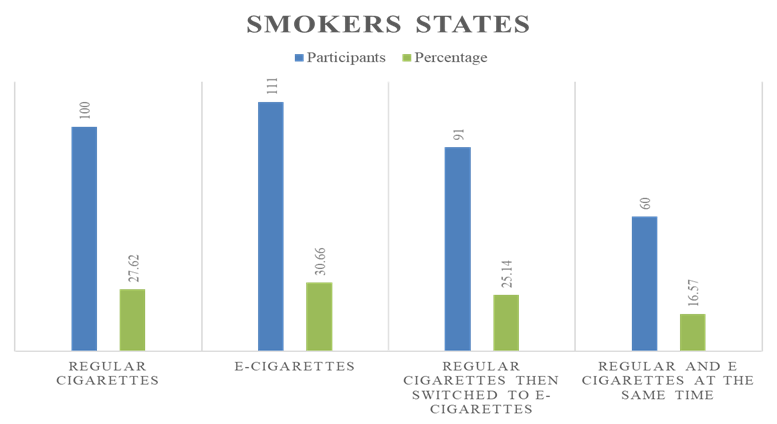
Figure 1

Figure 2

Figure 3
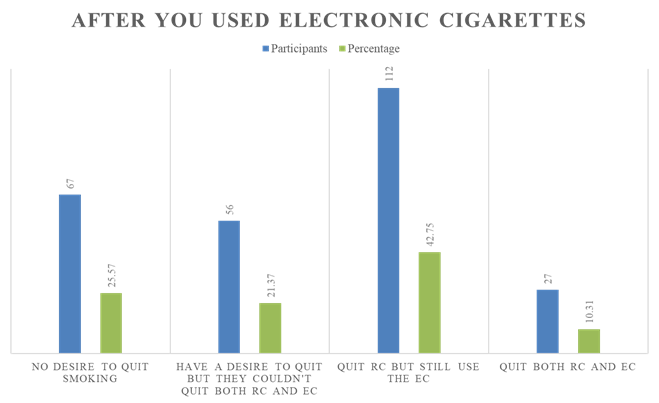
Figure 4