
Assessment of nurse's knowledge and attitude Regarding Management of pre-eclampsia in Maternity and Children Hospital In Hafer Albatin
Assessment of nurse's knowledge and attitude Regarding Management of pre-eclampsia in Maternity and Children Hospital In Hafer Albatin
Laila Munawir Alshammari*
*Correspondence to: Laila Munawir Alshammari, Nursing specialist in science of critical care nursing , Hafer-Albatin-Saudi Arabia.
Copyright
© 2025: Laila Munawir Alshammari. This is an open access article distributed under the Creative Commons Attribution License, which permits unrestricted use, distribution, and reproduction in any medium, provided the original work is properly cited.
Received: 01 Oct 2025
Published: 15 Oct 2025
ABSTRACT
Background: Pre-eclampsia is still a serious threat, mainly in underdeveloped countries where its incidence and mortality rates are higher. Aim: to assess nurse's knowledge and attitude Regarding Management of pre-eclampsia in (MCH) In Hafer Albatin. Methods: A descriptive design for 98 nurses who work in Maternity and children hospital with data Collection tools of Structured questionnaire for nurses. Results: it was found that 40.8% had good knowledge, 32.7% had poor, then 26.5% had fair knowledge score. As well as 42.9% of nurses had a positive attitude, followed by 35.7 had neutral one, then those with negative attitude represent 21.4%. It was found that there was a positive statistical correlation between studied nurses score of knowledge and attitude regarding management of pre-eclampsia, as increasing score of knowledge is associated with enhancement of their attitude and vice versa. Conclusion: it was concluded that the majority of the nurses had adequate knowledge of the management of pre-eclampsia or eclampsia, besides the positive attitude they possess. Recommendation: Advising nurses to participate in preeclampsia training programmes such as workshops and seminars, as well as reviewing current nursing care techniques and establishing a library with current scientific bookstore magazines in different language, as well as a budget set aside each year for continue nursing education.
Keywords: Assessment - nurse's knowledge - attitude - Management - pre-eclampsia - (MCH) - Hafer Albatin.
Assessment of nurse's knowledge and attitude Regarding Management of pre-eclampsia in Maternity and Children Hospital In Hafer Albatin
Introduction
Pregnancy complications known as "toxemia of pregnancy" are typified by elevated blood pressure and protein levels in the urine. Out of all pregnant women, 5% to 8% have pre-eclampsia. occur consistently after the 20th week of pregnancy and continue for up to six weeks following birth . Eclampsia is a condition that affects pregnant women and can be fatal. Pre-eclampsia is a complicated illness that causes major complications from hypertensive disorders during pregnancy. It affects the mother in the form of placental abruption and the fetus in the form of low birth weight due to reduced placenta function. It also raises the risk of hypoxia during the antenatal and intranasal stages of pregnancy.
Although the exact cause of prenatal hypertension is unknown, research has shown that a low socioeconomic level, chronic renal disease, type 1 and type 2 diabetes mellitus, and a history of pregnancy-induced hypertension are risk factors linked to pre-eclampsia. To effectively manage a woman with pre-eclampsia and lessen the disorder's effects, a multi-professional team with the most recent information and training must be involved. Knowing whether all nurses are capable of managing the illness in order to prevent complications is crucial. It is critical to understand whether all nurses are capable of managing the illness in order to prevent complications. To protect the lives of the mother and fetus and to reduce complications, it is crucial to have the right understanding and attitude about managing pre-eclampsia and eclampsia.
Positive attitude Nurses are typically more empathic and compassionate. They spend time getting to know the patient's needs and feelings, which can result in more effective emotional support and happier patients. Patients get better comprehension of their conditions and treatments as a result of their attentive listening, prompt questioning, and clear directions.
In fact, good communication is a critical ability for nurses, and it works even better when supported by a positive attitude. work well together with other medical specialists to provide patients with more coordinated care. Nurses who carry a positive attitude not only encourage their patients, but they also serve as the foundation for the healthcare team to gather. When nurses radiate cheerfulness, patients tend to feel less worried and more at peace.
This can promote general wellbeing and help with the healing process. This can promote general wellbeing and help with the healing process. It works like a domino effect; a happy nurse can uplift the spirits of the patients as well as create a more positive attitude toward their prognosis.
Materials and Methods
Study design:
This study was descriptive design, hospital-based research.
Study Area:
Maternity and children hospital provides special types of medical services include gyno logical department which was established since 2013 and includes different services such as operation room for general surgery, cesarean section and pediatric surgery, recovery, intensive care unit for gynecological and pediatric patients.
Study Population:
This study includes nurses who work in gynecological department, intensive care units (ICU) , delivery room, operation room, gynecological emergency room and obstetrics section which provide anti natal care that mainly include pre-eclampsia management.
Inclusion criteria:
Nurses who work in Maternity and children hospital with:
- Diploma degree.
- Bachelor's degree.
- Master's degree.
Exclusion criteria:
No Nurses population were excluded from this study.
Sampling Procedures and Sample Size:
Sampling Procedures:
Six different areas were selected for conduction of this study. Representative sample on which the study was carried out came from:
Maternity and children hospitals were selected because they are the governmental hospitals that perform most of anti-natal care including pre-eclampsia patient management.
Sample Size:
Sample size is based on the numbers of nurses under study who work in Maternity and children hospital during data collection period, who fulfilled the inclusion criteria. The following equation used to estimate the required sample size:-
The sample size for studying Assessment of nurse's knowledge and attitude Regarding Management of pre-eclampsia in (MCH), based on data from literature to calculate the sample size with precision/absolute error of 5% and type 1 error of 5%, Sample size is calculated using https://clincalc.com, according to the following formula,
n= where, Z1-α/2 at 5% type 1 error (p<0.05) is 1.96, P is the expected proportion in population based on previous studies and d is the absolute error or precision. Therefore, sample size n= =98. Based on the formula, the total sample size required for the study is 98.
Sample size:
The study sample represented a total coverage of the nurses fulfilling inclusion criteria who were 98 nurses.
Variables under Study:
Nurse's knowledge regarding:
- Immediate care given to patient
- Identify the pharmacological and non-pharmacological interventions used to treat pre-eclampsia
- Decrease morbidity and mortality rates related to pre-eclampsia
Nurse's attitude regarding:
- Empathy and compassion effect on management of pre-eclampsia
- Effect of communication on management of patient.
- Effect of teamwork on healthcare provide to patient.
Data Collection Tools:
Structured questionnaire had been used to assess nurses during the study, including:-
1-Structured questionnaire for nurses:
Standard interview open ended questionnaire was developed by the researcher to assess nurses' knowledge regarding infection control post renal transplantation.
It was composed of three parts:
Section one:
Concerning sociodemographic and health profile, five structured questions related to nurses sex, age, educational level, year of experience and workshops and training courses attended were posed.
Section two:
It included questions about nurses’ knowledge regarding immediate care given to patient, and identify pharmacological and non-pharmacological intervention used to treat preeclampsia and decreased morbidity and mortality rate related to preeclampsia.
Section three:
It included questions designed to obtain information about nursing attitude regarding empathy and compassion effect on management of preeclampsia, effective communication and effect of teamwork on health care provide to patient.
Data Collection Technique:
Data were collected by asking the nurses in three phases
Data management and Analysis:
After data collection they were coded, so as to be easier and suitable for computer feeding by using SPSS programme (Statistical Package for Social Sciences).
Statistical measures used are:
Descriptive measures including frequency, percentage and mean.
Ethical considerations:
Before conducting the study permission was taken from hospitals authorities' purpose of study was explained to each participant to know the importance of participation.
Results
Results were presented in the following sequences:
Section I:
It showed figurative presentation of nurses according to their sociodemographic data of the study group.
Section II:
Data were presented as tables and figures presenting nurses' knowledge and attitude regarding management of pre-eclampsia.
Section III:
Data were presented as tables presenting Correlation between nurses' knowledge and attitude regarding management of pre-eclampsia.
Sociodemographic characteristic of the study group:
The age distribution ranged between 18 and 45 years. The majority of them (59= 60.2%) were in the age group 18- 25 years, while 26 (26.5%) were in the age group of 26- 35 years. A few (13= 13.3%) of them were in the age group 36- 45 years and 2 (3.6%) were in age group 36- 40 years (Table 1).
Considering sex distribution of nurses, 89 (100.0%) were females (Table 1).
For the level of education of the participants the majority of them (60.2%) diploma degree, (26.5%) had had bachelor's degree and while few nurses (13.3%) had master's degree (Table 1). About nationality 79.6% the majority of nurses were Saudi nationality (Table 1). Regarding marital status 84.7% were married, while 15.3 % were Single (Table 1). Regarding job title/current position 68.4 % were assistant nurse. And 60.2 had less than 1 year for experience.Table 2 shows nurses’ knowledge regarding management of pre-eclampsia it was found that the first four items of score knowledge were mostly correct answers by about 100.0%, and 99.0% respectively 1st (The pre-eclampsia is called toxemia of pregnancy), 2nd (There is deferent between pre-eclampsia and eclampsia), 3rd (It is important for the nurse to have enough knowledge about pr eclampsia), and 4th (Etiology of preeclampsia is unknown). With total score mean 11.95±3.68. (Table 2)Table 3 shows nurses’ attitude regarding management of pre-eclampsia. It was found that the studied nurses reported strongly agree regarding effective communication between patients and healthcare providers is crucial for the provision of patient care and recovery, lack of focus on teaming represents an important gap in professional preparation, and stress induced by preeclampsia in pregnancy may have a detrimental effect on both the mother and child.\ by the highest percentages as 59.2, 54.1, & 46.9 respectively (Table 3)Figure 4 shows the level of nurses’ attitude regarding management of pre-eclampsia. It was found that 42.9% of nurses were had positive attitude, followed by 35.7 were had neutral one, then those with negative attitude represent 21.4%.Figure 5 Correlation between nurses' knowledge and attitude regarding management of pre-eclampsia. It was found that there was a positive statistical correlation between studied nurses score of knowledge and attitude regarding management of pre-eclampsia, as increasing score of knowledge is associated with enhancement of their attitude and vice versa.
Discussion
Pre-eclampsia and eclampsia are the second-leading causes of maternal death. Health care providers have a critical role in preventing and managing these conditions. Lack of knowledge among healthcare providers on managing pre-eclampsia and eclampsia has been reported, but more information is needed to design appropriate targeted interventions. Hence, the main objective of this study was to assess whether the HCPs working in ANC have knowledge and positive attitudes toward managing pre-eclampsia and eclampsia. Knowledge and positive attitude of HCP are essential components for proper management of a client as they improve the quality of care, prevent complications and reduce mortality rate related to pre-eclampsia and eclampsia. Developing a positive attitude that leads to proper practice also requires knowledge acquisition.
Regarding sociodemographic data of the study group, the age distribution ranged between 18 and 45 years. The majority of them were in the age group 18- 25 years, while a few of them were in the age group 36- 40 years. Considering sex distribution of nurses, all of them were females and married. For the level of education of the participants the majority of them had a diploma degree while few nurses had master's degree, regarding job title/current position were assistant nurse and had less than 1 year for experience in the setting. The majority of nurses were Saudi nationality.
Findings show also in similar study done by Pallangyo, & Seif, (2023) that participants’ ages ranged from 20 to 59, with a mean age of 37.78 (SD 9.226). Most of the participants were female. More than half of the participants were enrolled nurses. Less than half of them had a working experience of 11 years and above and had attended on-the-job training related to the management of pre-eclampsia and eclampsia, and the training was conducted 6 months ago, but only few of them were satisfied with the training.
Our results showed the level of nurses’ knowledge regarding management of pre-eclampsia, it was found that less than half had good knowledge, nearly one fourth were poor, then those with fair knowledge score. Similarly, the current findings were consistent with what is reported in study done by Nkamba et al., (2020) who reported HCP have an adequate knowledge on managing pre-eclampsia/eclampsia.
However, this was a slightly high in study in contrast to current findings; the study results of study done by Pallangyo, & Seif, (2023) who study Knowledge and Attitude of Healthcare Providers on Managing Pre-Eclampsia and Eclampsia During Antenatal Care in Mwanza Region-Tanzania and showed that only one fourth of healthcare providers had adequate knowledge. The reason behind this low knowledge could possibly be due to a lack of on-the-job training, as it is indicated in this study that about half of the HCP had never attended any on-the-job training. On-the-job training acts as a reminder of information related to the management of preeclampsia and eclampsia. Literature also supports that on-the-job training improves knowledge of HCP (Gadalla & Mukhtad, 2021).
The difference might be due to the nature of the study population, as the previous studies employed professionals with other educational levels, while in the current study, the population consisted of enrolled assisted nurses, and a few attended on-the-job training. The study also done by Oluseye, Olowolagba, Oluwakemi, & Akinsoji, (2023) who conduct a study on Knowledge and Perception of Pre-Eclampsia and Eclampsia among Pregnant Women attending Antenatal Clinic in a State Hospital, Nigeria and showed that majority of the respondents have poor knowledge and poor perception of pre-eclampsia and eclampsia with factors such as age group, and educational status, having significant association with knowledge and perception of pre-eclampsia and eclampsia. Therefore, concluded that nurses are to intensify their efforts in health educating pregnant women on pre-eclampsia and eclampsia in a simple language they can comprehend. This will go a long way in improving women's knowledge and perception of pre-eclampsia and eclampsia.
Our results showed the level of nurses’ attitude regarding management of pre-eclampsia. It was found that less than half of nurses had a positive attitude, followed by who had neutral one, then those with negative attitude represent consider the fewest one. In parallel with the present study finding, study done by Pallangyo, & Seif, (2023) and found more than half of them had positive attitude towards the management of pre-eclampsia and eclampsia. In contrast to current study results in study done by found that more than half of the studied nurses had moderately low perception as regard to preeclampsia while, nearly one third of them had high perception and justified by the lack of nurse's training attendee about pre-eclampsia.
In agreement to the present study finding, Soliman et al., (2020) study to assess nurses' knowledge and practices regarding the use of evidence-based for pregnant women with preeclampsia and found that more than half of studied nurses had high level of perception regarding the use of evidence-based for pregnant women with pre-eclampsia. Additionally, El Sharkawy et al. (2020) study to assess the effect of simulation-based educational program on maternity nurses' performance regarding obstetrical emergencies during Pregnancy and found positive improvement concerning nurses' attitudes and perception regarding preeclampsia.
Disagreement with our findings, Al-Matouti et al., (2021) according to their nurses' findings, found that about two thirds of nurses had low perception about preeclampsia besides, lack of awareness of the importance of nurses’ perception as a source of pregnant women wellbeing. As well as a study done by Sabry et al. (2021) study to evaluate the effect of precede knowledge model educational program on nurses' knowledge and attitude toward health promotion of preeclampsia, and Omran, Mohamed, Mohammed, & El Sayed, (2023) who conduct a study on assessment of maternity nurses’ perception and compliance with safety practices among women with severe preeclampsia concluded that the majority of nurses, had negative attitude and perception toward health promotion of preeclampsia.
Our result showed a correlation between nurses' knowledge and attitude regarding management of pre-eclampsia. It was found that there was a positive statistical correlation between studied nurses score of knowledge and attitude regarding management of pre-eclampsia, as increasing score of knowledge is associated with enhancement of their attitude and vice versa. But study done by Elbeltagy, Ahmed, & Fadel, (2024) supported current results and conducted in pregnant women found that there was statistically significant increase in the total knowledge scores of predisposing, enabling, and reinforcing factors both immediately and one month later. Furthermore, one month after the intervention pregnant women exhibited satisfactory practices towards preeclampsia preventive measures compared to pre-intervention. Also, the majority of high-risk pregnant women did not develop preeclampsia following the use of PRECDE Model intervention and recommended incorporating nursing interventions guided by the model into routine prenatal care for the expected high risk pregnant women to prevent the occurrence of preeclampsia.
Conclusion
Based on the findings of this study, it is concluded that the majority of the nurses had adequate knowledge on the management of pre-eclampsia or eclampsia, besides the positive attitude they possess. The correlation of knowledge was positive with their attitude level. Thus, the study identifies the need to support junior health care providers who have fewer years of working experience in their practice and encourage regular shifts of nurses from higher health facility level to lower healthcare facilities so that they can infuse knowledge into those working at lower levels.
Recommendations
The following recommendations were made based on the findings of this study:
1- Advising nurses to participate in pre-eclampsia training programmes such as workshops and seminars, as well as reviewing current nursing care techniques.
2- Establishing a library with current scientific bookstore magazines in Arabic language, as well as a budget set aside each year for nursing education.
3- Providing specific policies, procedures or posters in workplace about women safety practices in preeclampsia and severe preeclampsia and application of WHO standard recommendations to improve severe preeclampsia management.
4- Effective supervision for nursing staff is essential for guidance, monitoring and evaluating nursing practice related to patient safety standards.
5- Hospital administration should make sure that they have a planned program for providing on-the-job training about management of pre-eclampsia and eclampsia and should encourage all HCP to attend the training.
6- There is a need to ensure proper allocation of staff with adequate qualifications in ANC units and provide additional training to enrolled nurses (assistant nurses) before task-shifting to them.
7-The hospital administration should encourage a regular shift of HCP from higher to lower healthcare facilities so that they can infuse knowledge into those working at lower levels.
Further research are needed to conduct a large-scale study with a diverse sample size to enhance nurses' practice and perceptions of severe preeclampsia care.
Reference
1. Gadalla, R. M., & Mukhtad, A. A. (2021). The effect of training programs on the performance of healthcare workers at Benghazi Medical Center (BMC). Libyan Journal of Dentistry, 5(2), 16–24. https://journals.uob.edu.ly/LJD/article/view/1745
2. Soliman DE, Hasneen SA, AbdElmoniem SQ & Ali FK, (2020). Assessment of Nurses Knowledge and Practices Regarding The Use of Evidence-based for Pregnant Women with Pre-eclampsia Journal of Nursing Science - Benha University;2(2):498-513, ISSN 2682 – 3934, DOI:
3. Oluseye, O., Olowolagba, F., Oluwakemi, O. A., & Akinsoji, F. (2023). Knowledge and Perception of Pre-Eclampsia and Eclampsia among Pregnant Women attending Antenatal Clinic in a State Hospital, Ogun State, Nigeria: https://www. doi. org/10.60787/tnhj-752. The Nigerian Health Journal, 23(4), 952-960.
4. Omran, D., Mohamed, H. E., Mohammed, S., & El Sayed, H. (2023). Assessment of Maternity Nurses’ Perception and Compliance with Safety Practices among Women with Severe Preeclampsia. Mansoura Nursing Journal, 10(1), 27-38.
5. Al-Matouti AYAA & Ibrahim RH (2021). Studied Nurses Knowledge Regarding Preeclampsia Care at Mosul Teaching Hospitals Annals of R.S.C.B., ISSN: 1583-10.21608/JNSBU.2021.194587 20607 – :20596 (6)25
6. El Sharkawy ATA, Ali FA & Araby OAA (2020). The Effect of Simulation-Based Educational Program on Maternity Nurses' Performance regarding Obstetrical Emergencies during Pregnancy Evidence Based Nursing Research ;2 (4) :14-1 DOI 10.47104/ebnrojs3.v2i4.156
7. Pallangyo, A. S., & Seif, S. A. (2023). Knowledge and Attitude of Healthcare Providers on Managing Pre-Eclampsia and Eclampsia During Antenatal Care in Mwanza Region-Tanzania. SAGE Open Nursing, 9, 23779608231193745.
8. Nkamba, D. M., Vangu, R., Elongi, M., Magee, L. A., Wembodinga, G., Bernard, P., Ditekemena, J., & Robert, A. (2020). Health facility readiness and provider knowledge as correlates of adequate diagnosis and management of pre-eclampsia in Kinshasa, Democratic Republic of Congo. BMC Health Services Research, 20(1), 1–13. https://doi.org/10.1186/s12913-020-05795-1
9. Sabry FAM, Atia HAG &Abd Elkhalek NK (2021). Effect of PRECEDE knowledge model educational program on nurses knowledge and attitude toward health promotion of preeclampsia. Egyptian Journal of Nursing and Health Sciences; 2 (2):137- 158, ISSN 2582-2563
10. TheraEx Staffing, 2024). How Do Nurses’ Attitudes Affect Patient Care?. Retrieved from https://theraexstaffing.com/nurses-attitudes-affect-patient-care/ retrieved at 16 may 2024 (2-1)
11. National institutes of health (NIH) (2024). Retrieved from https://www.nih.gov/ retrieved from https://www.nichd.nih.gov/health/topics/preeclampsia/conditioninfo/treatments (2-2)
12. Peres, G. M., Mariana, M., & Cairrão, E. (2018). Pre-eclampsia and eclampsia: An update on the pharmacological treatment applied in Portugal. Journal of cardiovascular development and disease, 5(1), 3. https://www.ncbi.nlm.nih.gov/pmc/articles/PMC5872351/ (2-3)
13. Peres, G. M., Mariana, M., & Cairrão, E. (2018). Pre-eclampsia and eclampsia: An update on the pharmacological treatment applied in Portugal. Journal of cardiovascular development and disease, 5(1), 3.https://www.ncbi.nlm.nih.gov/pmc/articles/PMC5872351/(2-4)
14. Peraçoli, J. C., Borges, V. T. M., Ramos, J. G. L., de Carvalho Cavalli, R., Costa, S. H. D. A. M., de Oliveira, L. G., ... & da Cunha Filho, E. V. (2019). Pre-eclampsia/eclampsia. Revista Brasileira de Ginecologia e Obstetrícia/RBGO Gynecology and Obstetrics, 41(05), 318-332. https://www.scielo.br/j/rbgo/a/ddQkrYC6mvhYQv4bxZXRDcT/ (2-5)
15.National Information Center (2024). retrieved from https://www.moh.gov.sa/en/HealthAwareness/healthDay/2023/Pages/HealthDay-2023-05-22-001.aspx(2-6)
16. (Clift and Steele 2015; Greenberg and Turksma 2015; Halifax 2012; Jazaieri et al., 2014; Kneafsey et al., 2015)
17. Leggat, S. G. (2007). Effective healthcare teams require effective team members: defining teamwork competencies. BMC health services research, 7, 1-10. https://bmchealthservres.biomedcentral.com/articles/10.1186/1472-6963-7-17 (2-14)
18. Asghari, E., Faramarzi, M., & Mohammmadi, A. K. (2016). The effect of cognitive behavioural therapy on anxiety, depression and stress in women with preeclampsia. Journal of clinical and diagnostic research: JCDR, 10(11), QC04. https://pubmed.ncbi.nlm.nih.gov/28050449/(2-16)
19. Asghari, E., Faramarzi, M., & Mohammmadi, A. K. (2016). The effect of cognitive behavioural therapy on anxiety, depression and stress in women with preeclampsia. Journal of clinical and diagnostic research: JCDR, 10(11), QC04. https://www.ncbi.nlm.nih.gov/pmc/articles/PMC5198402
20. El-Salam, A., Ali, A., El-Hosary, E. A. S., Eldeeb, A. M., Hasanein, N. M. M., & ELbastawesy, S. (2022). Effectiveness of Clinical Pathway Application on Improving Nurses' Knowledge and Practice in Managing Eclamptic Women. Tanta Scientific Nursing Journal, 26(3), 11-27.
21. Moustfa, S. A., Mohamed, F. G., & Mohamed, A. F. (2024). Effect of Continuous Care Model on Lifestyle Modification and Pre-eclampsia Control among Pregnant Women. International Egyptian Journal of Nursing Sciences and Research, 5(1), 1-16..
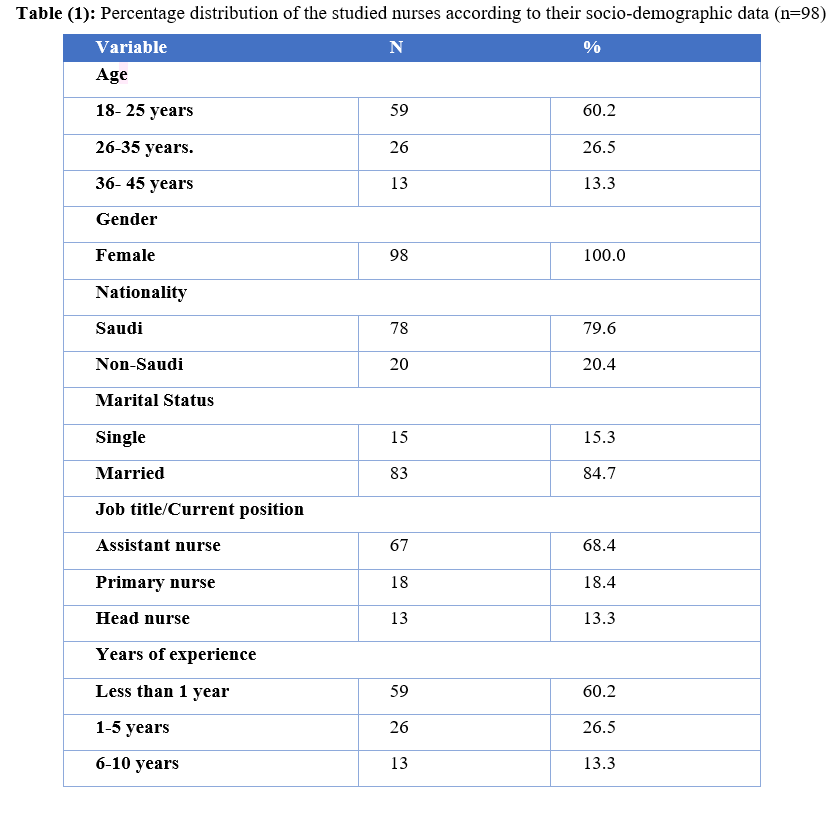
Figure 1
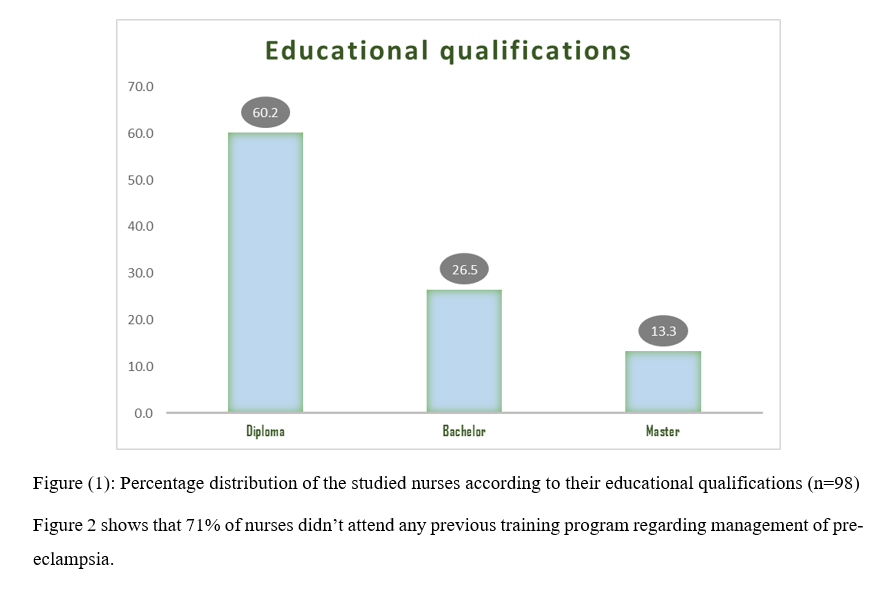
Figure 2

Figure 3
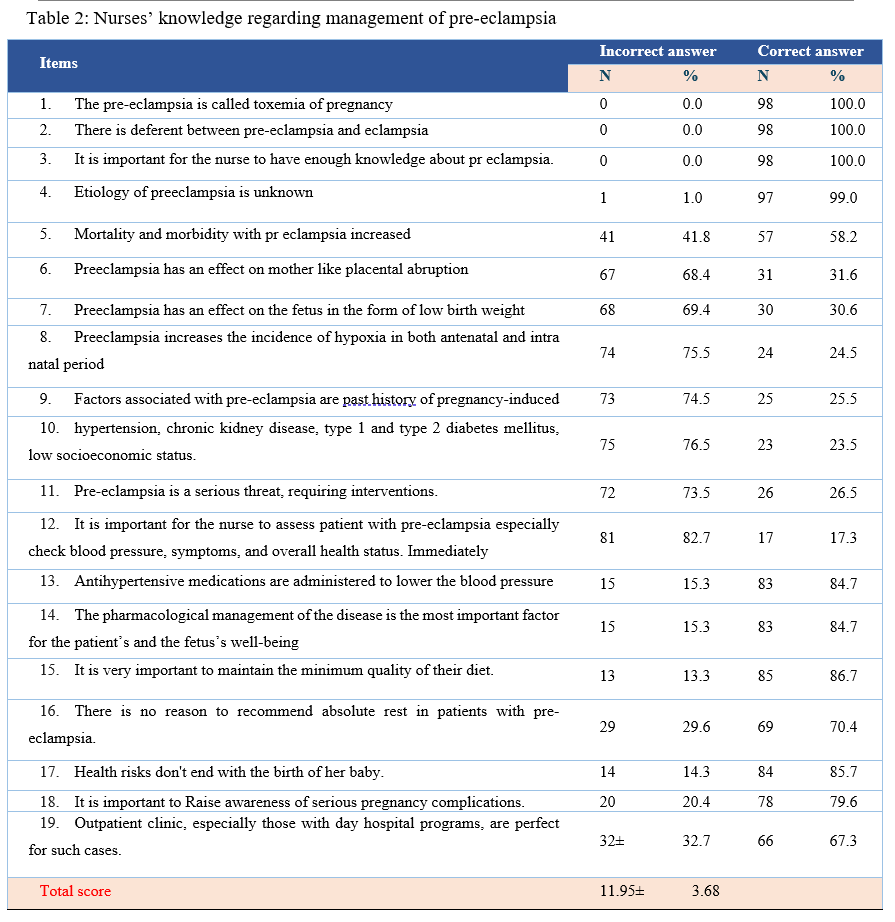
Figure 4
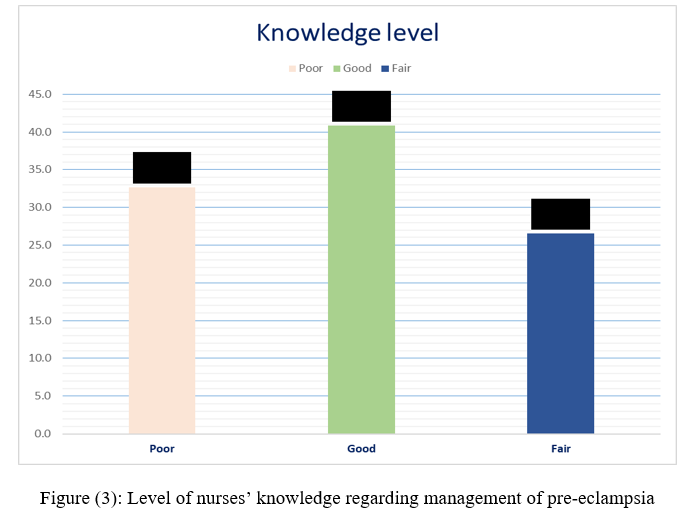
Figure 5
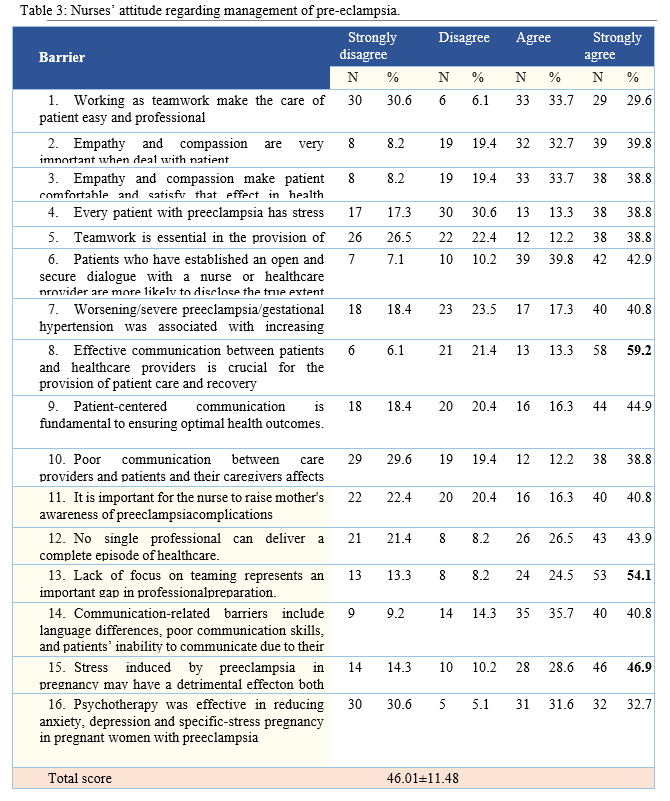
Figure 6
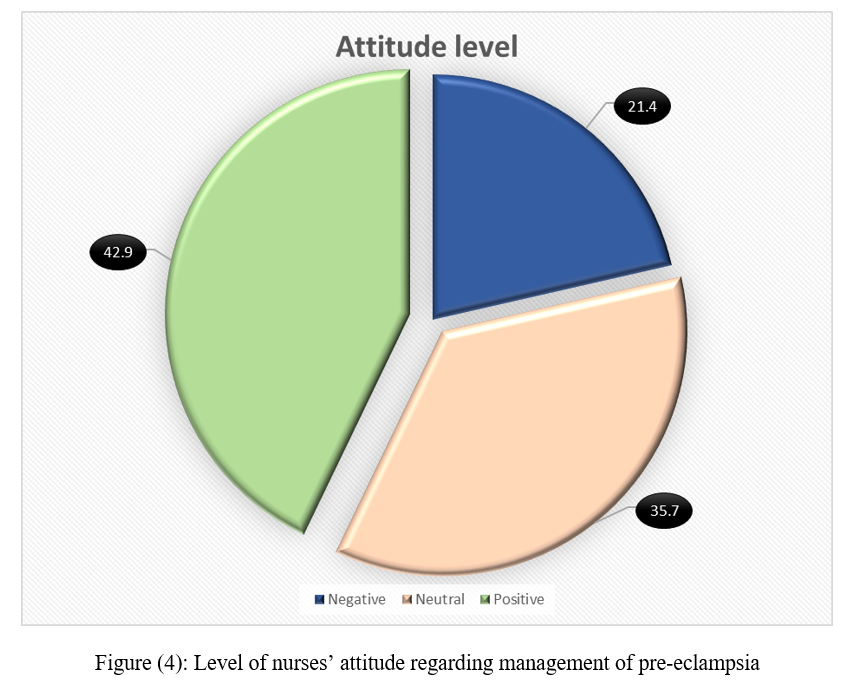
Figure 7
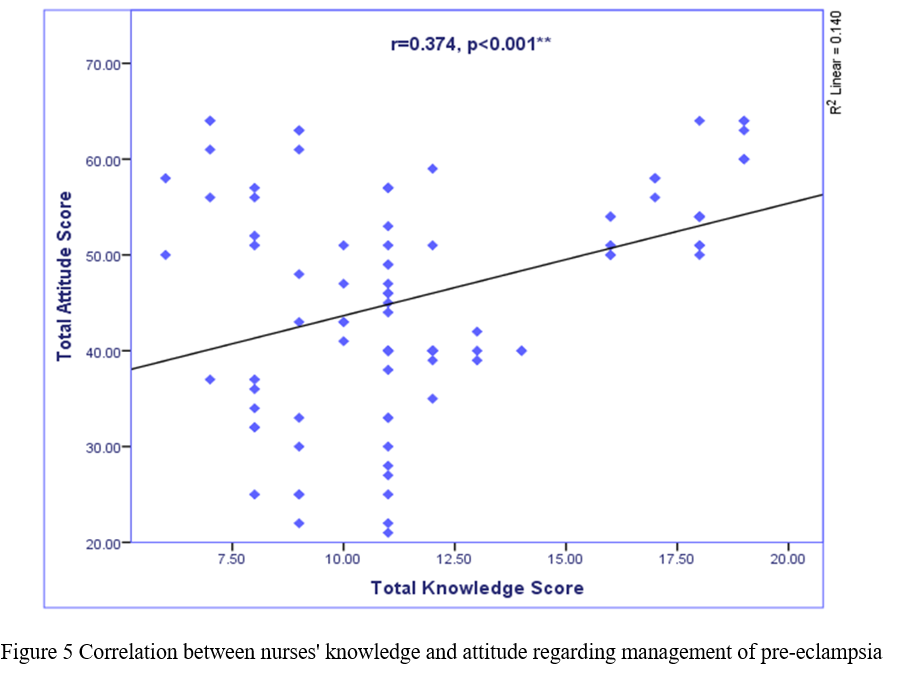
Figure 8